TikTok and TMZ are two websites I check daily. Both have the opportunity to promote false information, but both take steps to try to curb the spread of it as well.
TikTok policies state that they do not allow misinformation that can cause harm to society. With the rise of AI generated content, TikTok has enforced policies to label the videos as AI generated. This can allow the viewer to take into consideration that the video may be false, or enhanced by AI.

This label is to be used on any video depicting AI generated people, backgrounds, voices or products. TikTok uses a scanner that scans videos to detect AI generated content. If flagged, the content is then verified by a human to see if it is AI generated or not. Due to the scanner, over 178 million videos have been removed from the social media platform. TikTok penalized anyone who knowingly posted unlabeled AI generated content. There are 4 levels of penalizations, starting with a warning and ending in a ban from the platform. The social media platform also does not allow AI generated deep fakes of public figures saying falsities, cloned voices without consent, and fake videos of real world events. They also do not allow AI generated videos involving minors in any capacity. TikTok policies are also hard on brand promotion on the site. They do not allow advertising with exaggerated claims or claims without sufficient evidence. As a user of TikTok, the advertisements are AI generated a lot. They also use influencers to promote products, and the influencers will exaggerate the claims and say that a product cured their anxiety, or something similar to get sales. I wonder if this is a way of saying the exaggerated claims, by using an influencer and trying to frame it as if they are making the claims even though they were probably given a script. AI generated country singer, River Cain states in his bio that he is AI generated.
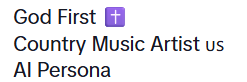
The comments on his videos are disturbing because a lot of people are commenting as if he is a real person. This leads me to question if the viewing audience can differentiate obviously AI generated content from real content, or if they even care. One popular video with almost a million views by this creator depicts the AI musician getting hit by a phone at a concert for singing a song about Jesus. This seems like propaganda and could create a false narrative that Christians could use to show that they believe they are under attack. For TikTok, I think they should review videos further to counter false promotions or users. The scanner is successful, but they need something stronger. The problem is that there are so many users promoting videos every second of the day, so the platform is overloaded with information that can slip through the cracks of the scanner.
TMZ is a celebrity and pop culture news site that has had a controversial past. On the website they promote that they pay for any tips from the general public. This leads to questions of the depth of fact checking the website does from tips from the general public.

The founder, Harvey Levin began as a lawyer, so he should know the legal ramifications of spreading false narrative and information. Publishing false information could lead to lawsuits or public disbelief. Something TMZ uses often is quoting a, “source.” This allows the website to leave it up to the reader as to whether the article is true or not and leave some ambiguity there. The articles published are not always verified and fact checked. There’s also some questions as to how exactly they get their sources. As with many celebrity deaths being first reported by the website before the family police department makes a statement. TMZ has reported false information in the past, and their reliability is questioned by many. To help curb misinformation on their site, TMZ could more clearly state that their information may not be accurate with labels, instead of just using, “allegedly” or, “sources.” They could also wait till the story is further developed before publishing, even though they love to be the first to announce the information. This could lead to less correcting of a story later in the future, and lead to more accurate information being presented. The website does already provide update sections, or corrections at the top of articles, making it clear of the change or correction. This sometimes could be too late, and the misinformation has already been presented and spread. The public should also be aware that the website may not be 100% accurate before processing the information.
Leave a Reply