Category: Uncategorized

  • AI Generated Photos

    In Today’s day and age, AI has become a great means of misinformation. AI generated images can help spread false news, by giving fake proof of misinformation. This guide will help you differentiate AI generated photos from real ones.
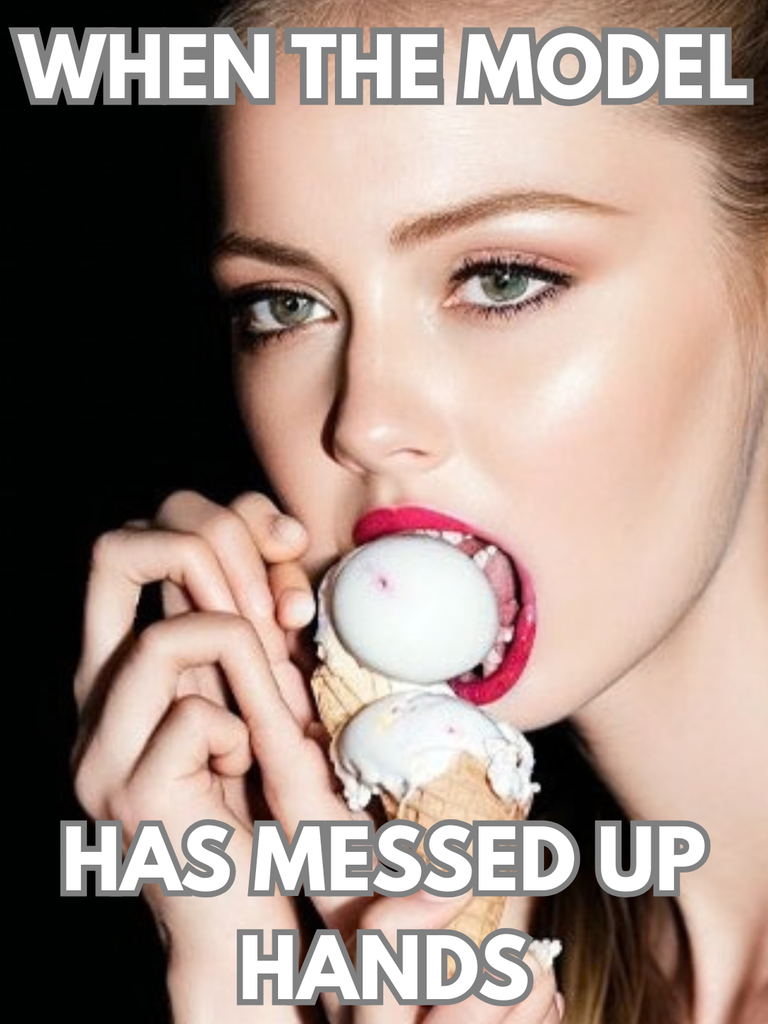
    AI tends to sometimes mess up hands and teeth. This was a major problem with old versions, with newer versions perfecting the body features. This will make it harder to differentiate in the future, when AI gets even more advanced and more efficient. Pay close attention to specific
    details that may give a hint to the validity of the photo.
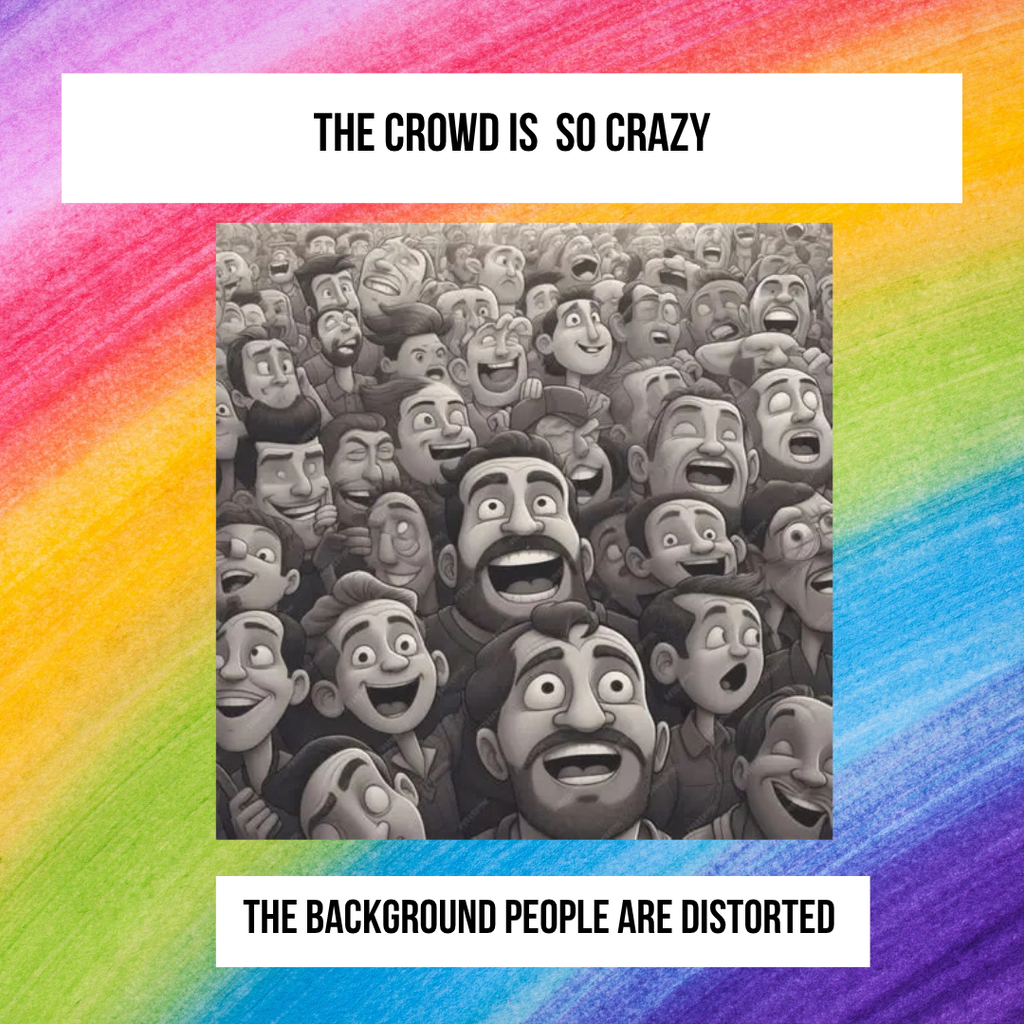
    Along with text, AI can sometimes mess up backgrounds and people in the
    backgrounds of images. In this photo from a far, it seems normal, if not a little animated. Upon further inspection of the background people, they look weird and off putting. This is a great way to detect AI generated media, by looking at all the details and really analyzing the photo.
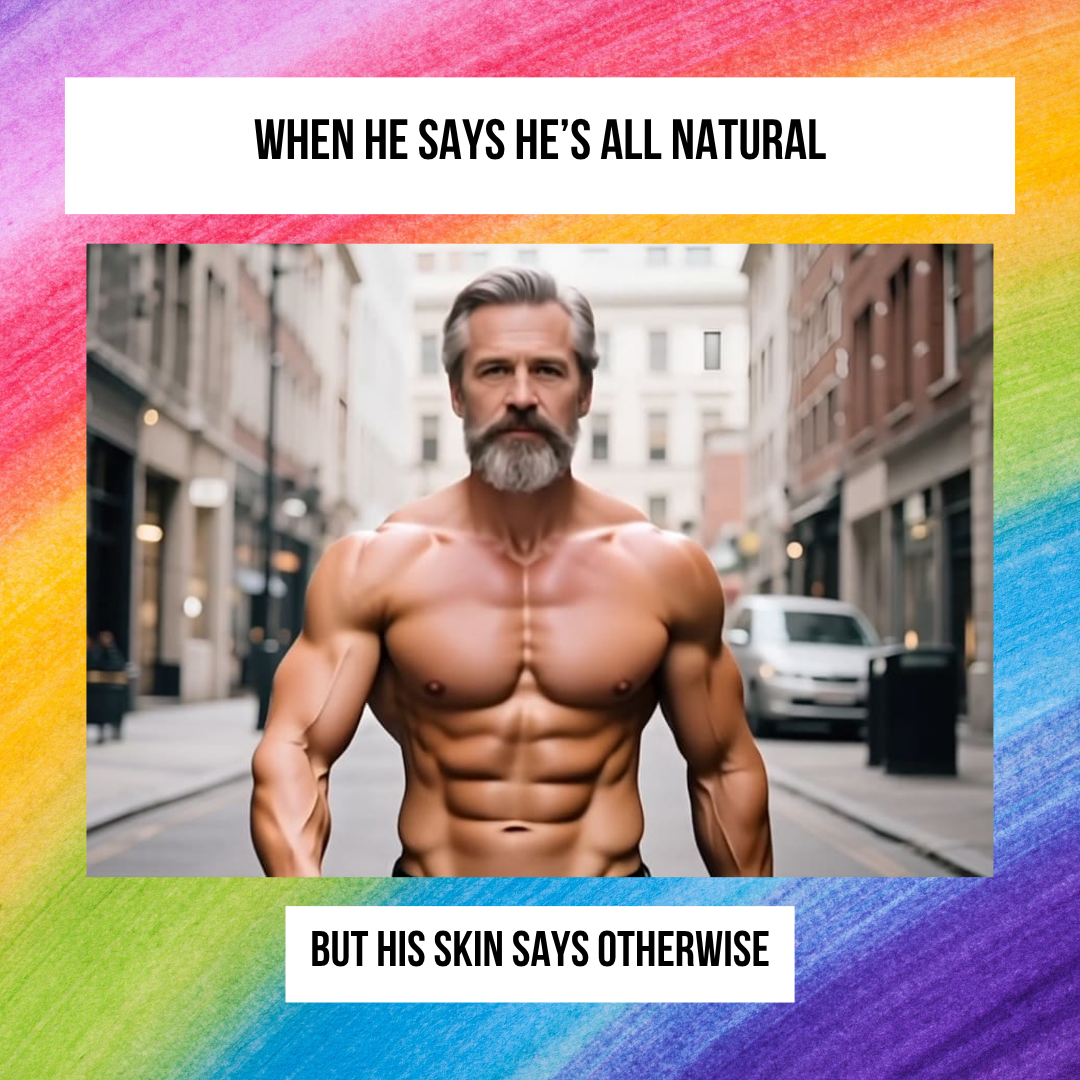
    AI generated images usually look uncanny or animated. Real skin and people will have minor flaws or shadows, whereas AI generated people have extremely smooth, perfect skin. An older man, like one shown in the image would have wrinkles and imperfections on his chest, whereas the AI generated man has flawless, glossy skin.
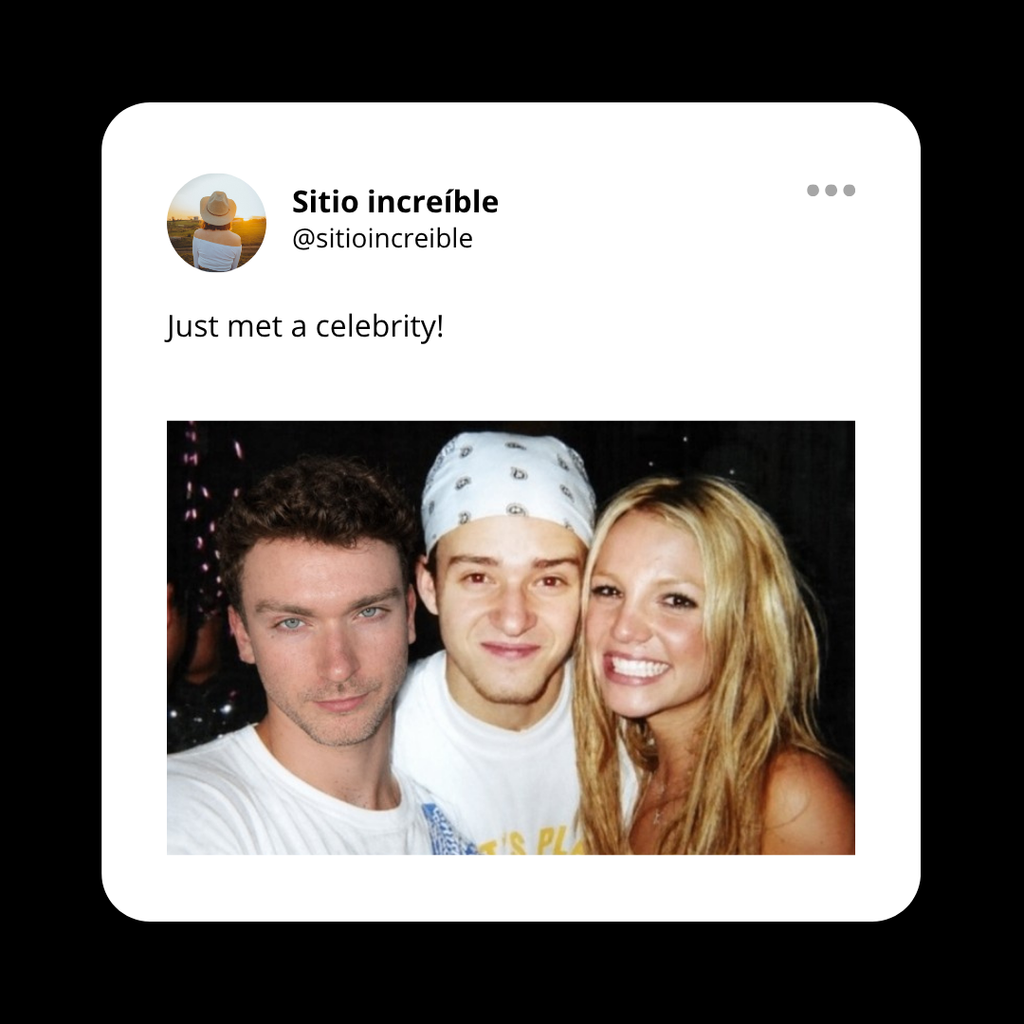
    Although this is an older picture someone AI-ed themselves into, it emphasizes the point to pay attention to textures and any malfunctions the AI may have made. Since the original photo is older, the AI generated person looks out of place and uncanny. Their shoulders also look weirdly edited.
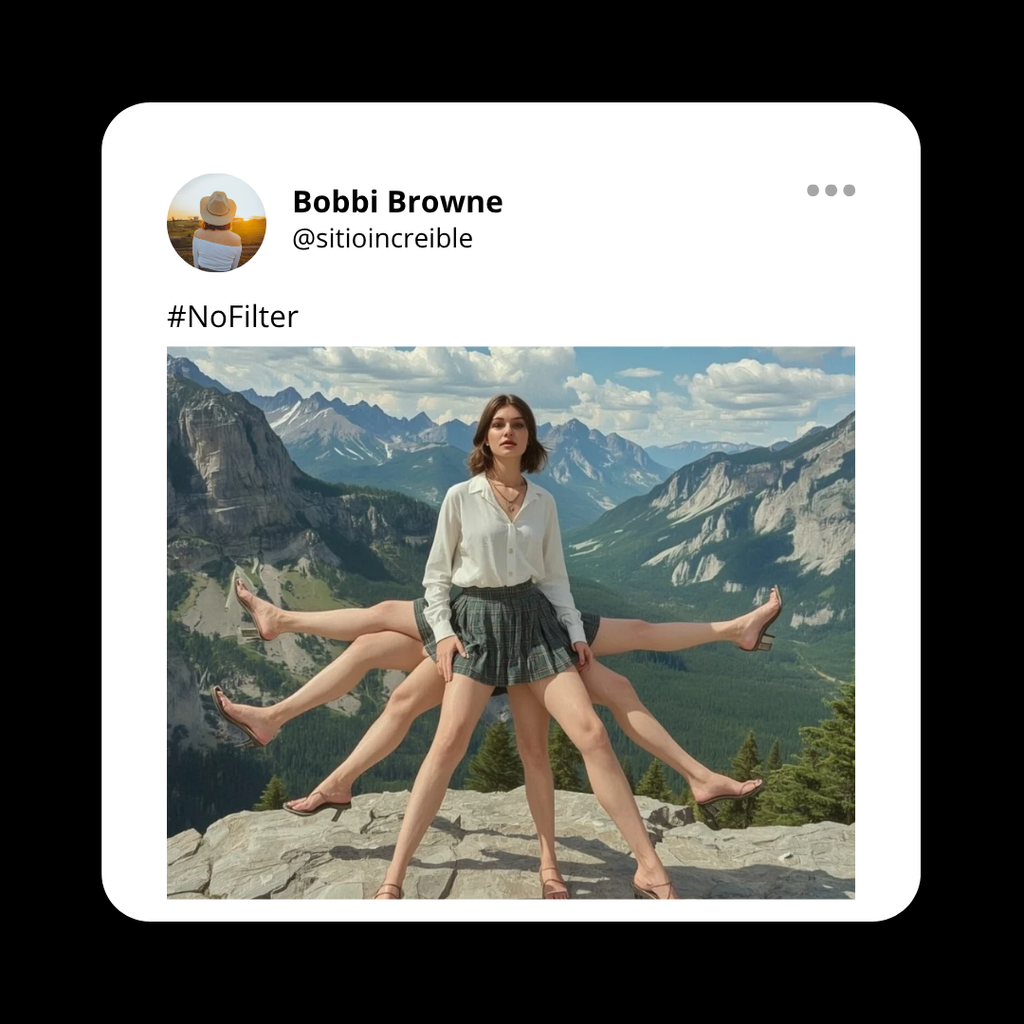
    As with teeth and hands, it is important to check every detail of the photo to make sure nothing looks obviously out of the ordinary and can help you realize if it is AI created. This photo is crazy, but the repeating legs show it is a fake photo.
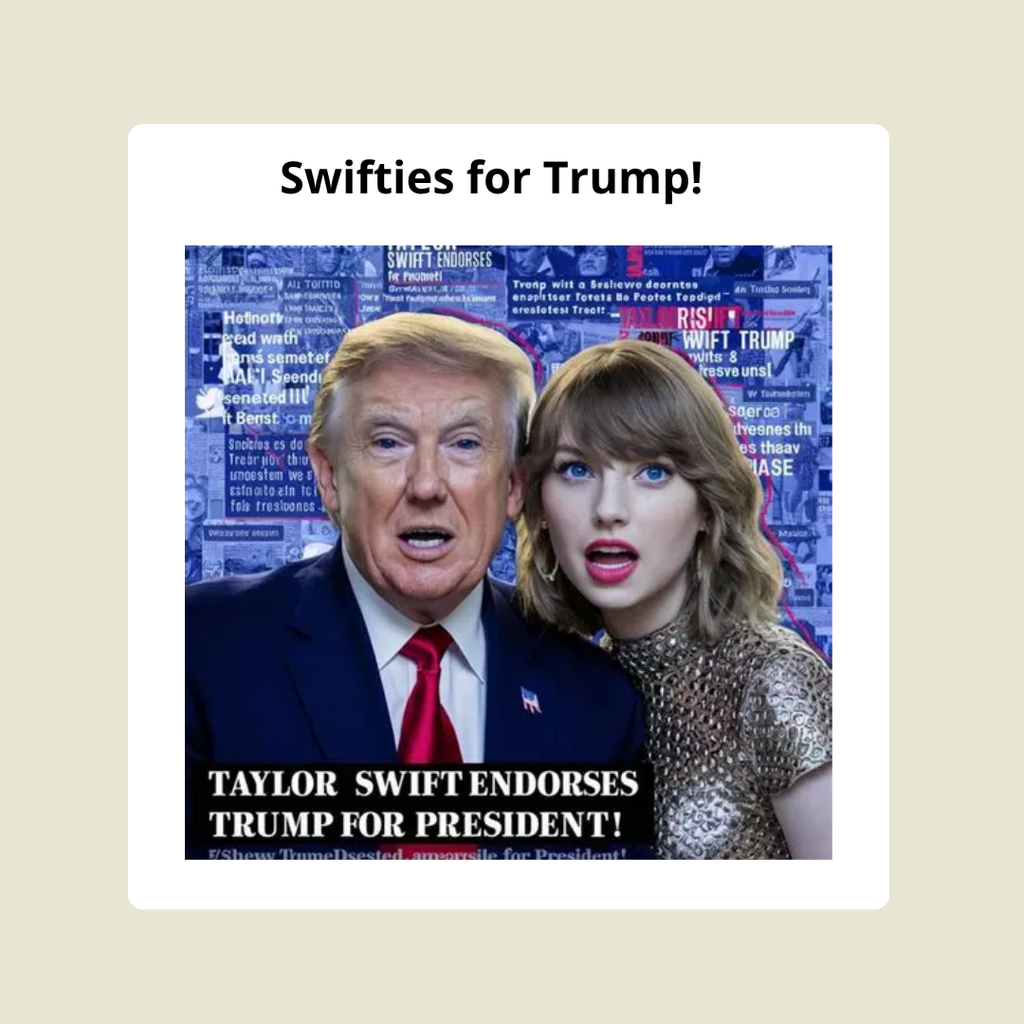
    Google reverse image search or fact checking the image can help you find it the image is true. This can especially be helpful with celebrity or political information. Always fact check the image, from reliable sources.
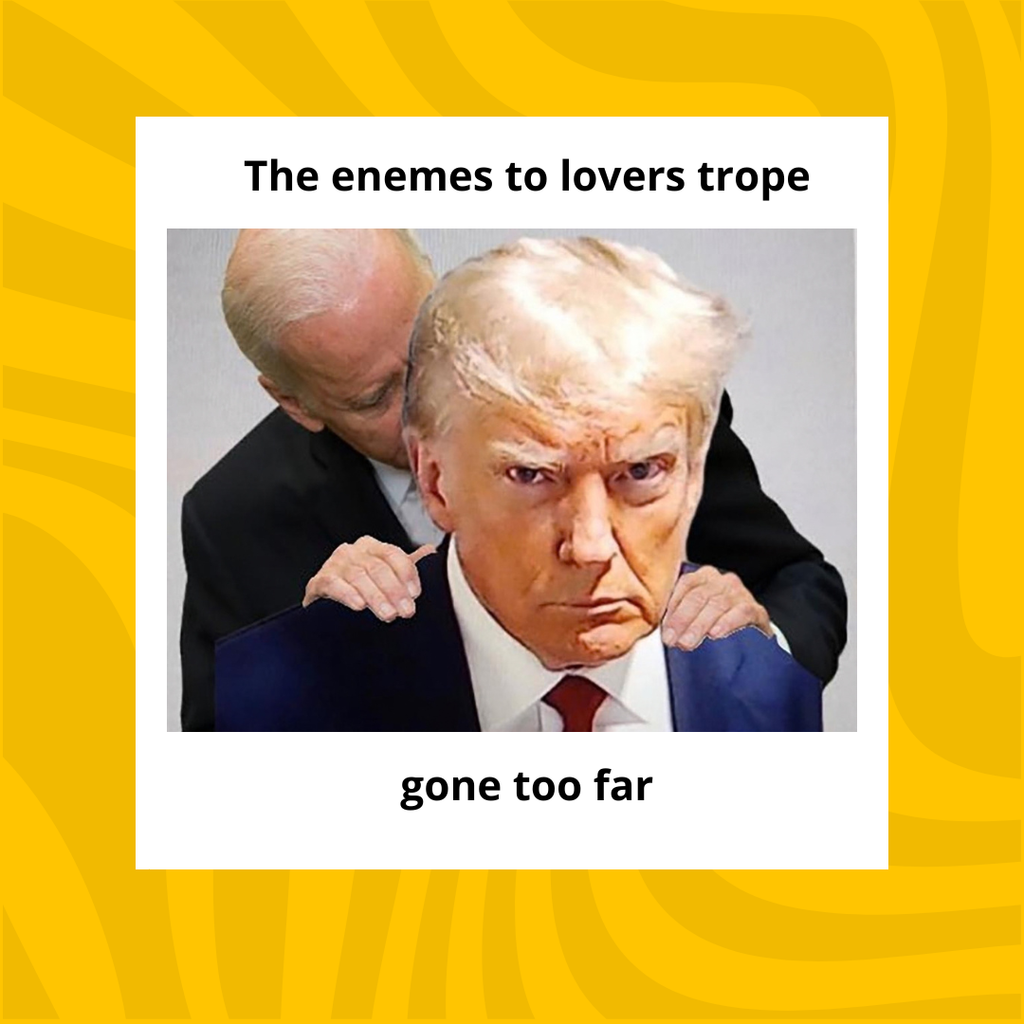
    Noticing things like lighting can help conclude that a photo is not real, such as these two photos that were meshed with different lighting. Also, using image search you can see that the photo of Trump is from his mugshot, and it’s a fake photo of Biden and Trump.
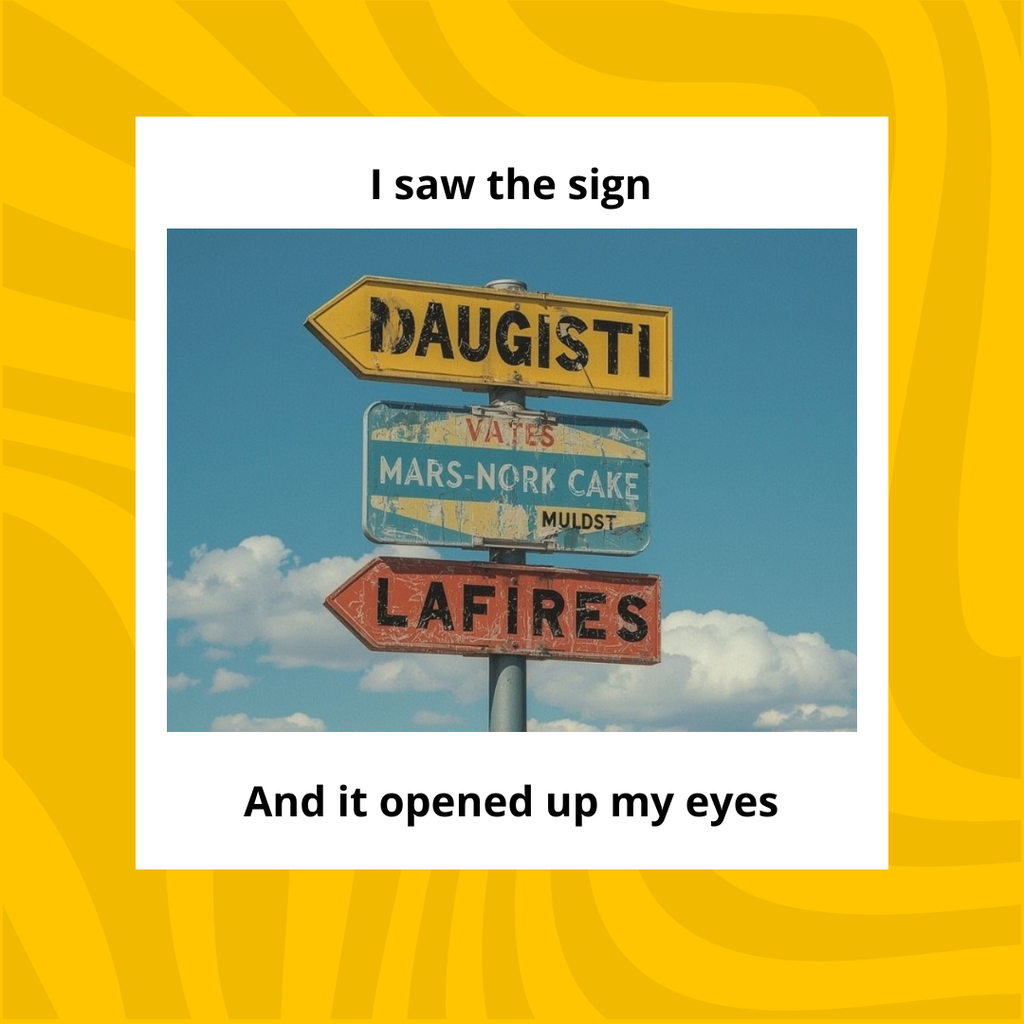
    Pay attention to the words, labels and text in photographs. Sometimes AI generated pictures have words that are scrambled or make no sense. This is an easy way to differentiate if it is a real photo, or AI generated.

  • Assessing current platforms’ attempts to curb misinformation

    TikTok and TMZ are two websites I check daily. Both have the opportunity to promote false information, but both take steps to try to curb the spread of it as well.

    TikTok policies state that they do not allow misinformation that can cause harm to society. With the rise of AI generated content, TikTok has enforced policies to label the videos as AI generated. This can allow the viewer to take into consideration that the video may be false, or enhanced by AI.

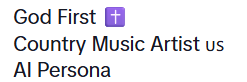
    This label is to be used on any video depicting AI generated people, backgrounds, voices or products. TikTok uses a scanner that scans videos to detect AI generated content. If flagged, the content is then verified by a human to see if it is AI generated or not. Due to the scanner, over 178 million videos have been removed from the social media platform. TikTok penalized anyone who knowingly posted unlabeled AI generated content. There are 4 levels of penalizations, starting with a warning and ending in a ban from the platform. The social media platform also does not allow AI generated deep fakes of public figures saying falsities, cloned voices without consent, and fake videos of real world events. They also do not allow AI generated videos involving minors in any capacity. TikTok policies are also hard on brand promotion on the site. They do not allow advertising with exaggerated claims or claims without sufficient evidence. As a user of TikTok, the advertisements are AI generated a lot. They also use influencers to promote products, and the influencers will exaggerate the claims and say that a product cured their anxiety, or something similar to get sales. I wonder if this is a way of saying the exaggerated claims, by using an influencer and trying to frame it as if they are making the claims even though they were probably given a script. AI generated country singer, River Cain states in his bio that he is AI generated.

    The comments on his videos are disturbing because a lot of people are commenting as if he is a real person. This leads me to question if the viewing audience can differentiate obviously AI generated content from real content, or if they even care. One popular video with almost a million views by this creator depicts the AI musician getting hit by a phone at a concert for singing a song about Jesus. This seems like propaganda and could create a false narrative that Christians could use to show that they believe they are under attack. For TikTok, I think they should review videos further to counter false promotions or users. The scanner is successful, but they need something stronger. The problem is that there are so many users promoting videos every second of the day, so the platform is overloaded with information that can slip through the cracks of the scanner. 

    TMZ is a celebrity and pop culture news site that has had a controversial past. On the website they promote that they pay for any tips from the general public. This leads to questions of the depth of fact checking the website does from tips from the general public.

    The founder, Harvey Levin began as a lawyer, so he should know the legal ramifications of spreading false narrative and information. Publishing false information could lead to lawsuits or public disbelief.  Something TMZ uses often is quoting a, “source.” This allows the website to leave it up to the reader as to whether the article is true or not and leave some ambiguity there. The articles published are not always verified and fact checked. There’s also some questions as to how exactly they get their sources. As with many celebrity deaths being first reported by the website before the family police department makes a statement. TMZ has reported false information in the past, and their reliability is questioned by many. To help curb misinformation on their site, TMZ could more clearly state that their information may not be accurate with labels, instead of just using, “allegedly” or, “sources.” They could also wait till the story is further developed before publishing, even though they love to be the first to announce the information. This could lead to less correcting of a story later in the future, and lead to more accurate information being presented. The website does already provide update sections, or corrections at the top of articles, making it clear of the change or correction. This sometimes could be too late, and the misinformation has already been presented and spread. The public should also be aware that the website may not be 100% accurate before processing the information.

  • The facts of Stella Lefty

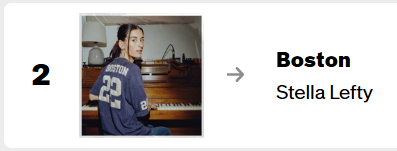
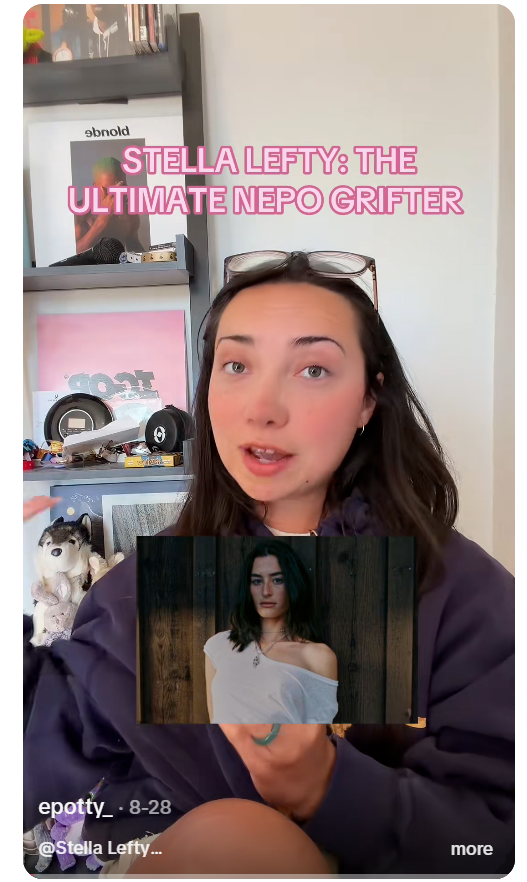
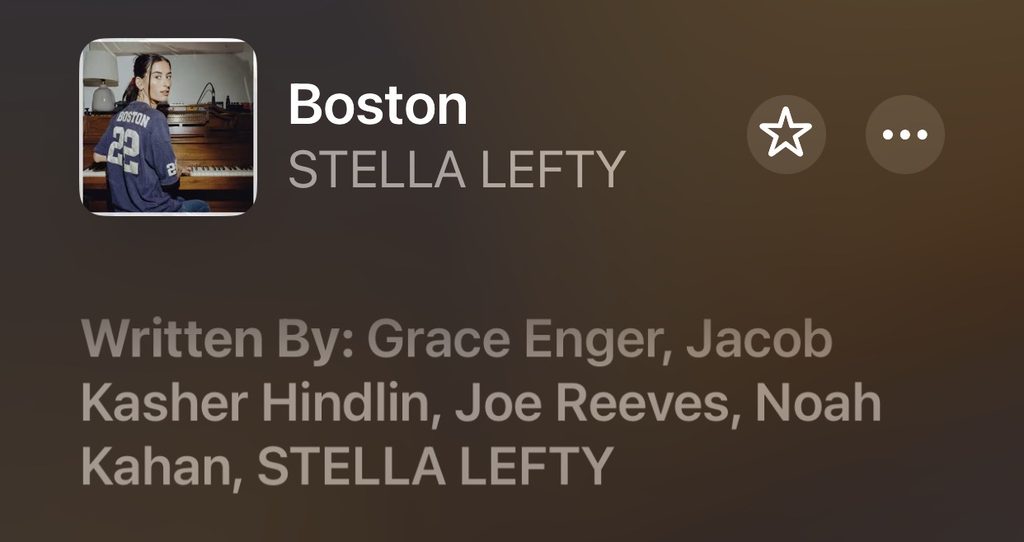
    A topic of discussion all over my TikTok is the new country music artist, Stella Lefty. Her song Boston is currently #2 on the Billboard Hot 100. Immediately upon release, it was massively pushed, and she supposedly was an overnight sensation. The song though, was accused of ripping off Stick Season by Noah Kahan. It also came to light that she was the daughter of Groupon co-founder and billionaire, Eric Lefkofsky. This information led to a lot of the audience feeling as though she is an untalented nepo baby that steals from others and bought her career. Authenticity is important in the music industry; it can make or break a career.

    These accusations hold weight because the music industry is hard to break into. Millions of people have talent and dreams of success, but nowadays it seems only those with prior connections and cash are making it big. The audience wants to know their artist is authentic, and Lefty cosplaying as a country girl, despite being raised in Illinois by a billionaire father, is a contradiction.

    I did not have any red flags with this information, because I have been presented with it repeatedly. According to Cognition Today, humans believe information after being told it repeatedly. This information also didn’t completely shock me, since other popular artists, such as Gracie Abrams, have used connections and nepo baby status to climb the music charts. There also is not a clear right or wrong on the subject. Many people probably do not care that she is a nepo baby, while others want a relatable artist that came from humble beginnings.

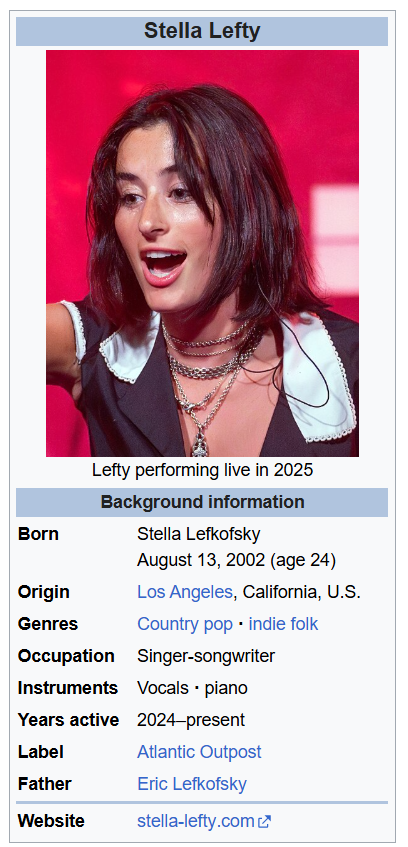
    According to Crash Course, Wikipedia actually is a great place to get information and references. To fact check the information she is the daughter of a billionaire, I went to her Wikipedia. Wikipedia clearly states that her father is the billionaire and references an article by the BroBible.

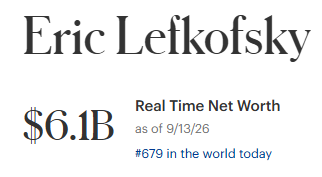
    I then googled her father to fact check his net worth. Forbes verified he is worth 6.1 billion dollars. It is interesting that she shortened her name to Lefty. I’m sure for branding purposes it is easier to pronounce, but it makes me wonder if she was trying to separate herself from the billionaire clout.

    I then fact checked the plagiarism allegations. According to News Nation, Lefty has been accused of not only copying Noah Kahan, but also Miley Cyrus, Blake Shelton and The Chicks. People Magazine verified that Noah Kahan did receive a songwriting credit for the song. I also noticed his name in the credits at the end of the song on apple music. Lefty has also posted her covering Stick Season multiple times online, showing that even if she didn’t outright plagiarize, the melody was already in her head. After personally listening to both songs, they do sound similar in melody.

    Lefty also received flack, when her song Summer You Were Mine was accused of copying The Chicks iconic country hit, There’s Your Trouble. Rolling Stone published that the song was cleared to be used as an interpolation, and that both songwriters of There’s Your Trouble were credited on the publishing. There is still a question of why she never tries to create her own sound from scratch.

    In conclusion, Stella Lefty is the daughter of a billionaire businessman and was going to be successful in any career she wanted. She has not proven any original artistry, and the songs she has received recognition from have been at least somewhat inspired by other artists. Boston may still be burning up the charts, but time will tell if Lefty will be a lasting talent, or just an Ella Langley runner up. It is up to the listener and audience to decide how they personally feel about Lefty. Based on my research, Lefty’s artistic abilities are about as authentic as a Gucci bag bought on Canal Street.

  • Evaluating misinformation education tools

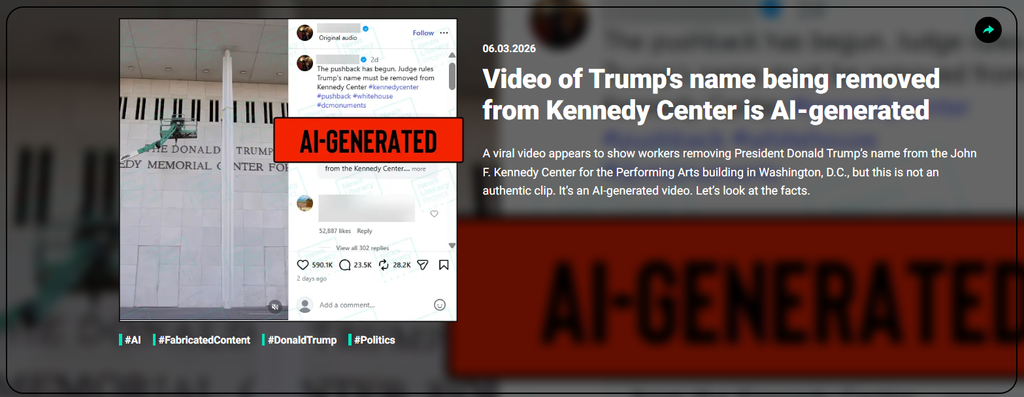
    RumorGuard analyzes viral news stories and shows the reasoning for if they are true or not. They list 5 factors that help identify truthfulness: authenticity, source, evidence, context, and reasoning. Authenticity determines if it’s real or doctored. Source determines if there is a credible source that is promoting the story. Evidence determines if there’s any other evidence the story actually happened. Context helps decide if there is additional context that is added to the story that would determine legitimacy. Reasoning determines if the news is realistic and not just playing on emotions. For example, a video of Trump’s name being taken off the Kennedy Center was determined to be AI generated.

    The video was determined to be not authentic, not from a valid source, and there was no evidence to back up the claim. They noted that the video was AI generated, and the last name Kennedy was misspelled in the video. This website teaches viewers how to better spot fake and doctored news. It helps explain the multiple things to look out for and how to spot them. Tackling misinformation with games: a systematic literature review backs the factors promoted on the website. It further enforces the importance of verifying the integrity of the source, whether or not there is evidence to back up the claims and the, “quality and trustworthiness,” of the claims themselves. 

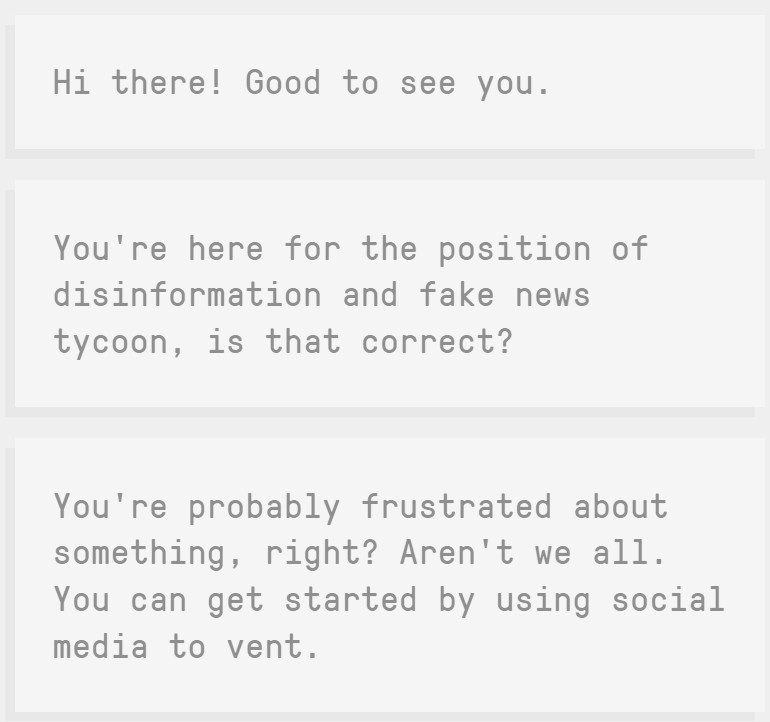
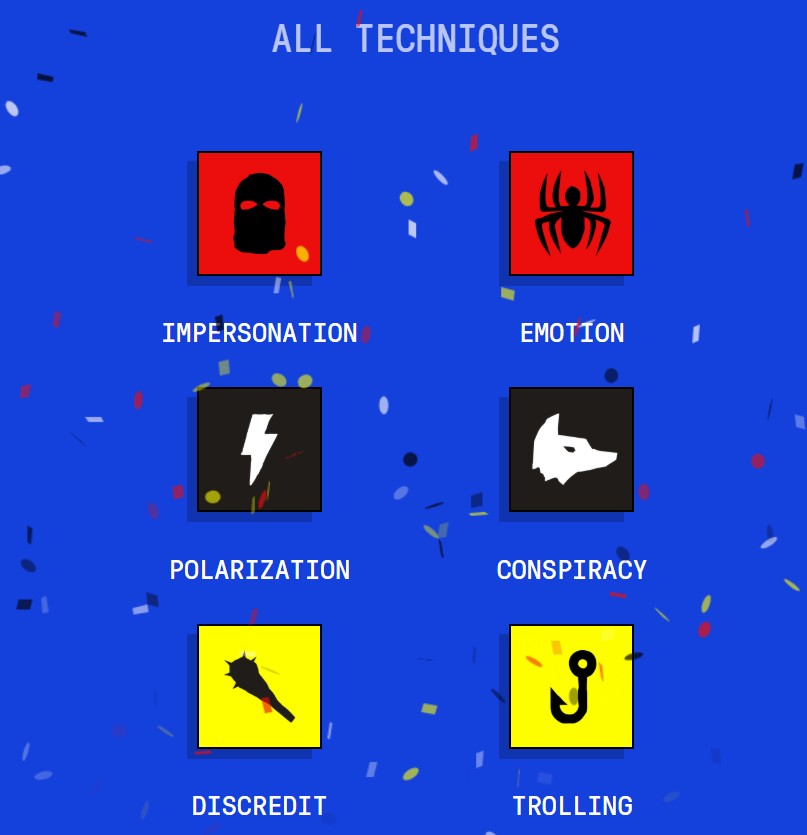
    The Bad News game was very interesting to play. It walks you through how easily it is for a random person to spread false news. You start by impersonating someone credible, with only a small change to the name.

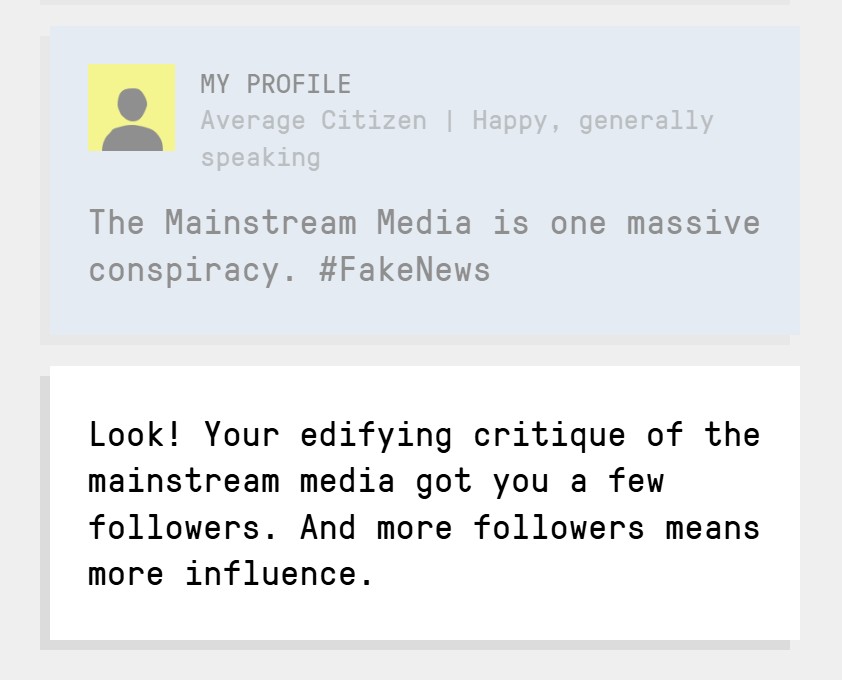
    Then, you play on the emotions of social media users and create a page that looks legit. You then become a polarizing force, by separating you from others i.e. liberal vs republican.

    You then start posting untrue conspiracy theories without any real evidence. You get followers to believe you because of their outstanding bias and abusing their emotions towards certain subjects. You then attempt to discredit those that go against you and ruin their reputations. In the end, you’re a troll pumping out misinformation.

    This game was interesting because it shows the player how easy it is to spread false information on social media. Anyone can make an account and publish any opinion they want. According to Harvard Kennedy School, game play allows users to effectively learn lessons and engage with real world activities in a safe and controlled environment. This allows users of Bad News, and other websites to gain knowledge on the ease of spread of misinformation, without having to spread any misinformation on social media in real life. 

    Bad News and RumorGuard are both useful websites in today’s day and age. With the uptake of social media, false information can be shared more easily than ever before. Both websites help users find ways of determining whether information is real or fake. These tools with be helpful in the future and will help stop the spread of misinformation.

  • 24 Hour Media Diary

    9:30 AM

    I woke up and checked my emails and Snapchat.

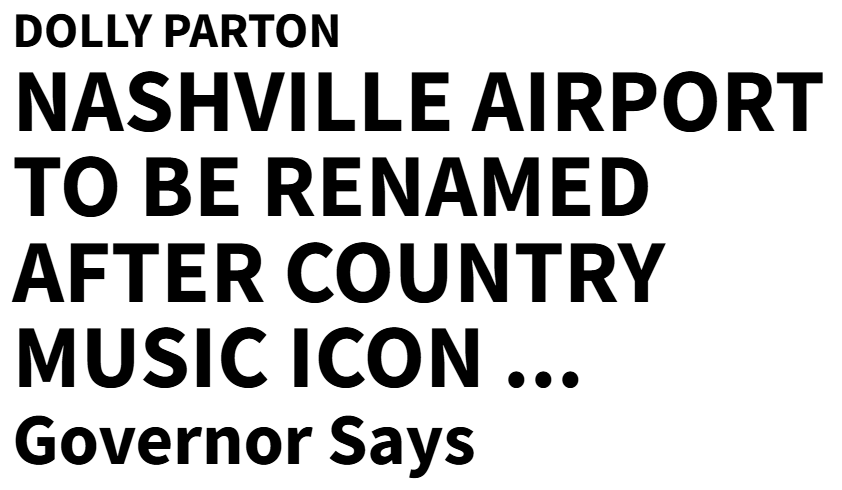
    I checked TMZ. There was an article about how the Nashville airport is going to be renamed in honor of country music icon and philanthropist Dolly Parton. The BNA website backed up the claims in an official statement. 

    11AM

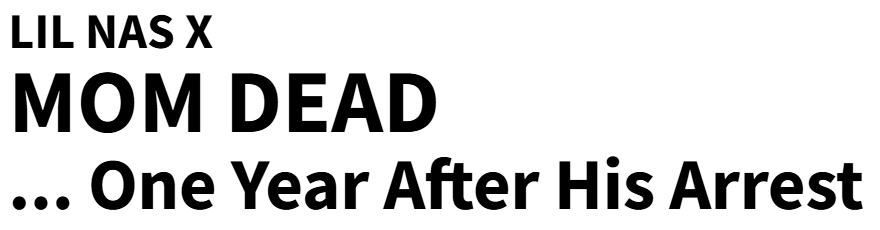
    I checked TMZ again, as I am interested in celebrity news and culture. I gasped because I initially misread that Lil Nas X died, when the article actually stated his mother died. This information was easily verifiable because TMZ linked to his Instagram, showing a tribute he posted to her. 

    2PM

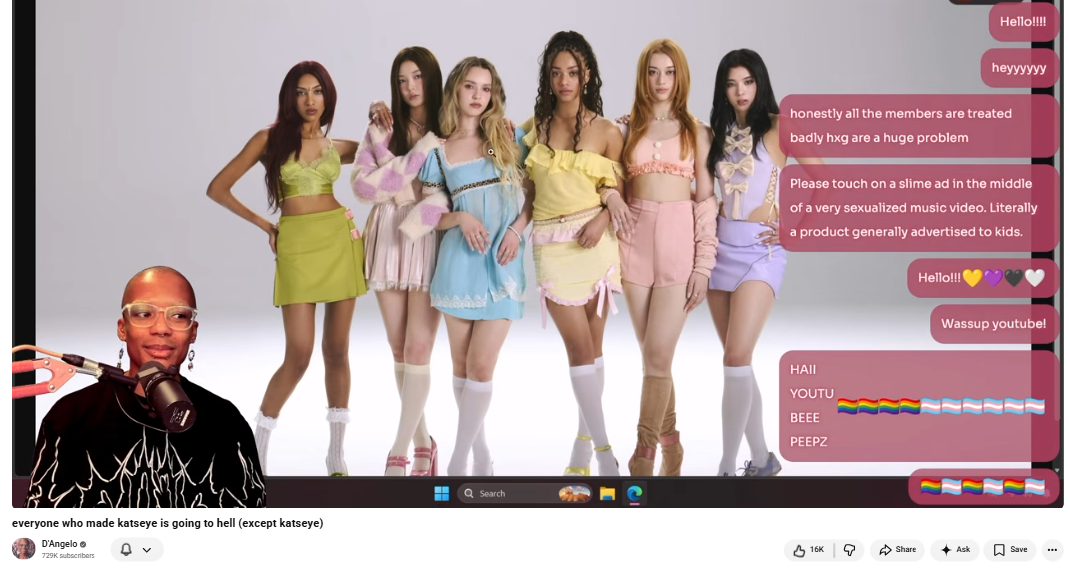
    I listened to YouTube commentary videos as I cleaned. Recently I have been very intrigued by the girl group KATSEYE. Youtuber D’Angelo spoke about how the girls were each plucked from obscurity and formed into a group via a Netflix show. He also spoke about the “hiatus,” of group member Manon, and the belief racism played a hand in her departure. 

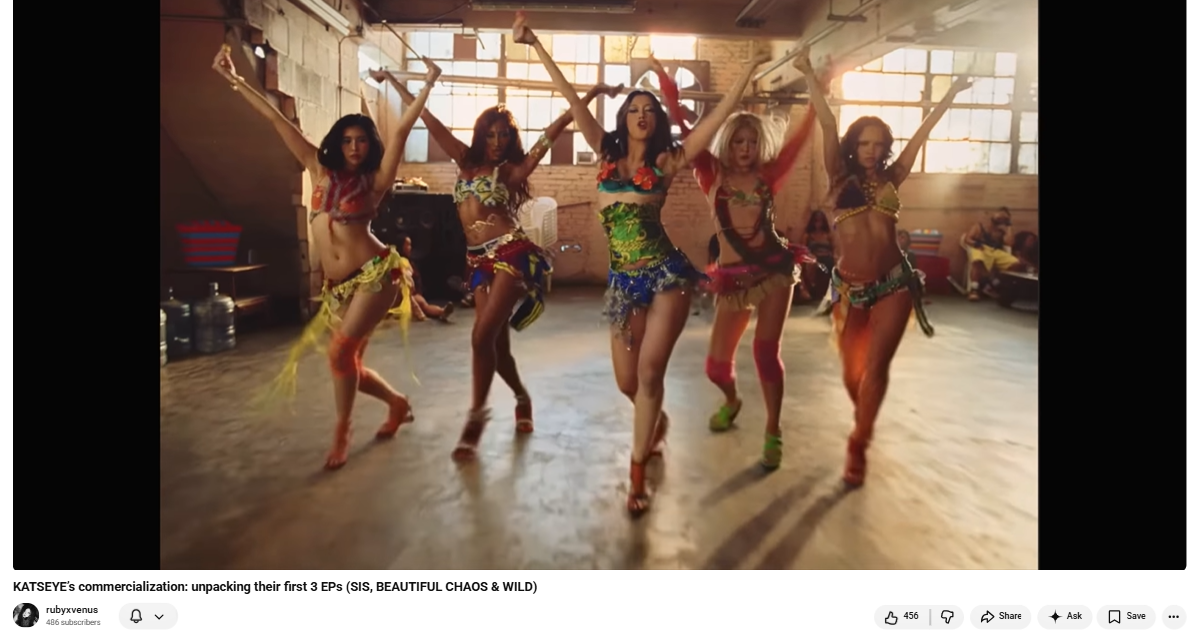
    Youtuber rubyxvenus described each era of the group so far. She argued that their marketing, imagery and music have become more sexualized and reductive in order to be used by their management to sell more products to children. 

    Although there is no absolute proof Manon left the group due to racism, it is a widespread belief by fans. Manon was called lazy on the show for taking days off, to which she responded that the Swiss take days off when they need to rest. The implications of calling the only black woman in the group lazy has racial undertones from stereotypes that have burdened black women for decades. Although I am unsure that she left because of race, I do believe the calmer culture of Switzerland, where she was raised, did clash with the hustle culture needed for KATSEYE.

    The sexualization of the group is very evident when comparing the music videos from their first era to their most current one. The girls are dressed like regular teenagers and dancing cleanly in their Debut music video. Whereas in their newest video, Hootie Fruttie, they are dressed provocatively and gyrating while drenched in water. I believe that with their breakout hit Gnarly, their management noticed a more provocative image and TikTok focused beats produced financial results.

    The music industry has always been about selling products and profit and KATSEYE is no different. One half of their management team, HYBE, has been accused of shady business dealings in the past. Every music video they have released has some sort of product placement, everything from slime to Tic-tac’s. Their biggest engagement to date came from a Gap Advertisement, which blew up because of the multiracial backgrounds of the members, in stark contrast to the controversial Sydney Sweeney eugenics American Eagle commercial. Accounting for the number of promotional products they push, I conclude that the group was made solely for financial gain; and the girls will be worked to the bone to squeeze every last penny out of the brand.

    10PM 

    I lounged in bed and scrolled through TikTok. The first TikTok was a girl detailing her experience of taking too much zinc. She explained how it made her vomit and have explosive diarrhea. I wondered if too much zinc really could cause so many side effects. Medical New Today verified that those are very real side effects from taking too much zinc. I also have had an experience of taking zinc on an empty stomach, which led to sickness. 

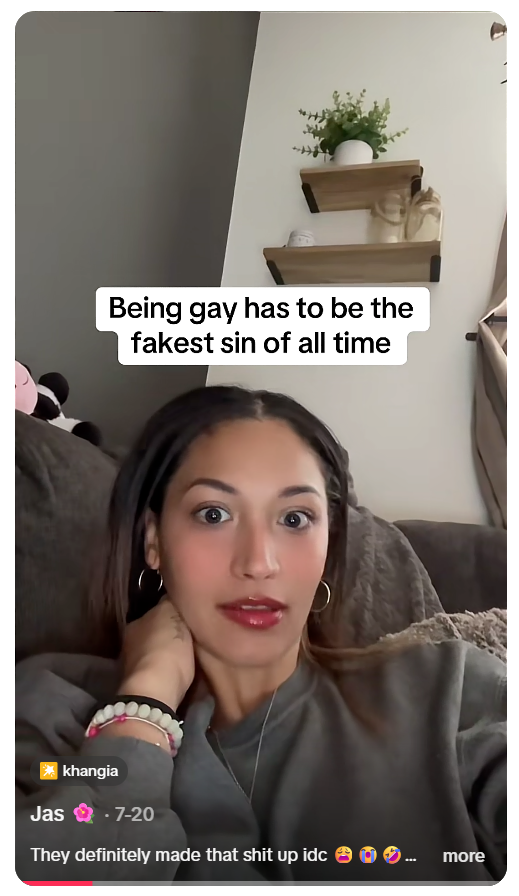
    Another TikTok that caught my interest was of a woman claiming, “being gay has to be the fakest sin of all time.” A bible verse used many times to defend that God does not support the gay community is Leviticus 18:22, which reads, “You shall not lie with a male as with a woman; it is an abomination.” In The Bible Never Condemned Homosexuality: An Academic Reexamination by Andrew Lehti, Lehti argues that the untranslated word, Masculus, actually translates more directly to young and not simply to male. So, in theory the verse is originally meant to denounce pedophilia and not homosexuality.

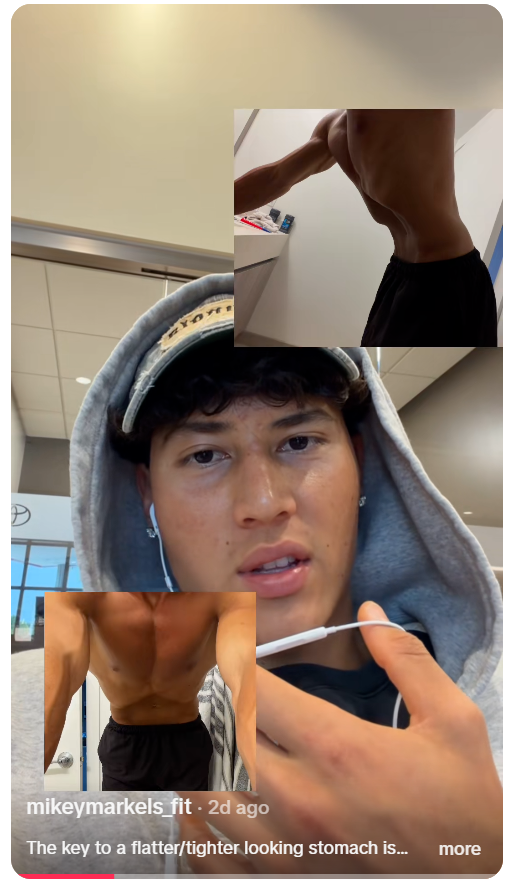
    The final TikTok was a gym bro explaining how stomach vacuums can help with abdomen definition and train the transverse abdominis muscle. Healthline backed up the claims of helping practice contracting the muscle but cast doubts about it helping get a six pack. Commenters of the video agreed with the poster and provided photographic evidence of what their stomach vacuums accomplished. 

    In the end, I expected to be faced with more questionable content. The content I viewed was very verifiable and not farfetched. This could be because of the limited number of different avenues I use to receive my media. TMZ is usually true, because if inaccurate they could face legal action, so their information has to be verified before publication. TikTok and YouTube usually share opinion and therefore need more verification.